
Where Neural Networks Earn Their Keep in Demand Planning
When neural networks improve demand forecasts, how to train them on short weekly histories, and why every model should compete against simpler ones before it ships.
October 17, 2026Read More »
We are kicking off a series of blog posts that will explore optimized planning and major considerations for the Beverage space, so let’s begin at the beginning with factors that make the non-alcoholic Beverages sector unique.
What are the major unique and differentiating characteristics for the non-alcoholic beverages market which includes soft drinks, sports drinks, bottled water, juices, teas and other manufactured beverages? In our first entry, we will explore basic details of beverage products and markets and point out a few important differences from other consumer products. This will help you to understand what makes the beverage supply chain uniquely challenging to manage, and significant ways in which beverage operations and markets vary across franchises, regions and countries.
There are six beverage industry characteristics that, when taken together, make beverage manufacturing and supply chain management significantly different than that required for other consumer product sectors.

Below is a closer look at major effects that these characteristics have on beverage supply chain planning.
A large number of beverage products are heavy and bulky and hence have a very high transport cost relative to net price. As a result, selecting alternate sourcing from distant manufacturing sites is very expensive so manufacturing products as close as possible to the consumption point is strongly preferred.
Beverages are a staple in many households and while there is a good deal of brand loyalty exhibited, there is typically a price point at which consumers will switch brands. This market reality necessitates very high customer service because bottlers need to do as much as possible to make sure that product is available or risk losing the loyalty of that consumer.
Because so many beverages are brand loyal staples, manufacturers must frequently supply very large aggregate volumes of product to their customers. Given the extraordinarily large and frequently re-supplied volume combined with a high customer service requirement, expensive alternate sourcing and relatively short direct store delivery lead time (especially for stores with little or no space for inventory), effectively managing the beverage supply chain poses true challenges.

Beverage demand is highly seasonal and is significantly driven by holidays and events. Seasonality is especially evident for products that are sold chilled and/or considered especially refreshing in warmer weather. Resort areas and college towns exhibit large population swings and consequently sell huge amounts of product in high season and relatively little product when vacationers and students return home. During holidays and events, mixers and specialty drinks see a large spike in demand, which ends quickly. As a result of both seasonality and holiday/event demand lifts, beverages often have high to extremely high demand variability.
Beverages are frequently sold from outlets that compete with one another directly, and while not evident everywhere, in most markets large key accounts compete aggressively to attract consumers into their stores. Due to this intense store versus store competition, beverages are often heavily discounted and promoted as loss leaders to draw customers into a particular store. Competing outlets require a high level of customer service from bottlers in order to meet frequent promotional requirements.
Beverages are ideal loss leaders because they are brand-loyal staples with relatively long home shelf life and due to their weight and bulkiness are unlikely to be purchased in bulk unless motivated by pricing. Outlets are also keenly aware that beverage companies are frequently prepared to significantly discount net prices in exchange for dramatic volume lifts.
It is considerably important to recognize the effects of fierce competition between beverage brands. In the hopes of capturing the brand-loyal consumers of their competitors, bottlers frequently discount and/or promote their products through marketing events in ways that greatly contribute to high demand variability in the beverage supply chain. Brand competition also drives product proliferation in general. All of these factors result in a highly dynamic market in which new items are constantly being added to the product portfolio (and much less frequently are being removed).
Product portfolio expansion is viewed as a way to increase retail shelf share and thus reduce opportunity for non-branded product or store brands to gain market share. Intense brand vs. brand competition also drives a higher customer service level requirement to ensure that bottlers’ most profitable products are always available on the retail shelf.

Compared to many other consumer products, new beverage SKUs are relatively easy to produce because manufacturers are often able to utilize existing packaging and equipment so only a new syrup flavor and label are required. Some consumers seem to have an insatiable thirst for variety., so many bottlers find themselves confronted with a rapidly increasing number of SKUs to be produced and supplied to market within an infrastructure that is very expensive to expand.
The fact that there is constant pressure to introduce new beverage choices which are relatively easy to produce and supply through existing channels, leads to a highly dynamic market in which product transition and introduction is a constant.
We have identified and described six beverage industry characteristics that differentiate and complicate supply management. The aggregate effects of these characteristics are likely to become even more challenging in the future as the product portfolio and market continue to expand and become more differentiated. This in turn will force us to reevaluate many of the assumptions built into current inventory policies.
In the next blog, Unpacking the Dual Challenges: Product Proliferation and Operational Realities in Beverages, we will continue to explore how a Beverage enterprise can optimize their planning solution to account for these differences, outlining some challenges, opportunities and assumptions that non-alcoholic beverage manufacturers should consider. Please subscribe to our blog to be notified as soon as the next entry in this series is available to you!

JR has 2 decades of experience in Demand and Supply Planning helping customers achieve desired results.
October 4, 2024
Category: Strategy and Best Practices
When neural networks improve demand forecasts, how to train them on short weekly histories, and why every model should compete against simpler ones before it ships.

A better forecast doesn't touch most of a planner's Monday morning. Agentic AI goes after the work that follows it: replenishment, exception triage, safety stock, promotion response, and supplier follow-up. What agents take on, what stays with the planner, and the questions to ask before you turn one on.
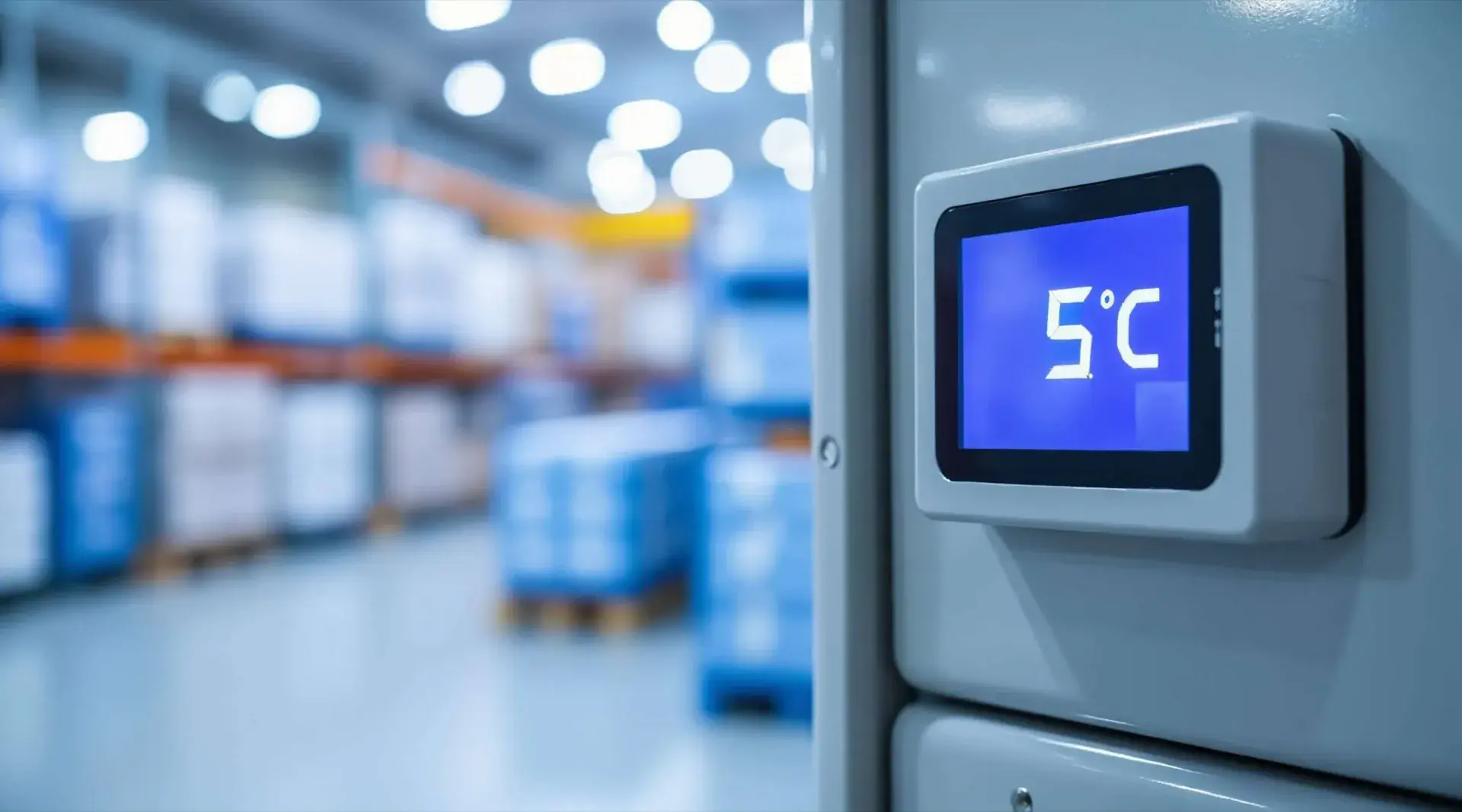
A single temperature excursion can make a whole truckload unsaleable, and cold chain failures often stay invisible until a return or an inspection. The five metrics that form a cold chain measurement program, the targets to hold them to, and the management practices behind them: carrier qualification, FEFO rotation, temperature mapping, and incident response.