
Where Neural Networks Earn Their Keep in Demand Planning
When neural networks improve demand forecasts, how to train them on short weekly histories, and why every model should compete against simpler ones before it ships.
October 17, 2026Read More »
In our last blog, “Inventory Fundamentals: Understanding Four Essential Types” we made a deep dive into inventory types, so now we will explore steps that can be taken to reduce stock levels for each of these inventory types. We’ll describe various methods that can be employed to reduce the amount of stock that is held; some of these require a change in operational business processes, not just a change in planning processes.
In order to decrease cycle inventory, lot sizes must be reduced; this means ordering just enough product to cover short-term requirements while minimizing stock on hand. What follows are a few common strategies for decreasing Cycle Inventory.
When deploying products from a central hub to satellite warehouses, consider following these two strategies:
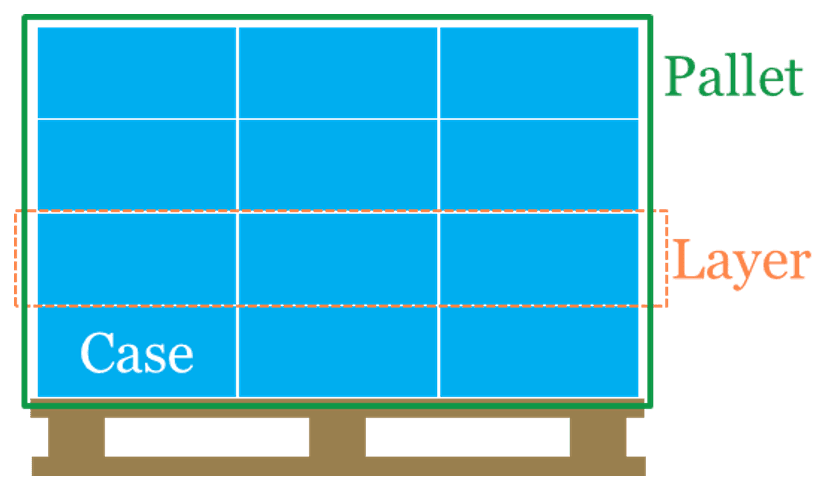
Production lot sizing is crucial in minimizing costs and for balancing changeover versus holding expenses:
Reducing purchase order lot size typically concerns supplier negotiation:
Safety stock is strongly influenced by lead times and planning cycles. To manage safety stock effectively:
Accurate demand forecasting is critical to managing safety stock lower. Focus on:
It’s essential to accurately record both inventory level and location. Implement the following processes to help make inventory levels more accurate:
When creating a plan for replenishment more than a few days in the future, the planning process must project inventory out to a future date based upon all scheduled and forecasted events such as production, receipt of in-bound goods, scheduled to deploy, etc. Such longer-range replenishment plans are not typically fully executed on time or in the amounts scheduled.
Consider the trade-offs between holding inventory at satellite locations versus centralizing stock in a distribution hub. To the extent that a company does not forward-place certain products closer to the customer, risk of distinct location inventory variances can be “pooled” to a single hub location where the “pooled” hub inventory can be used to supply many separate locations.
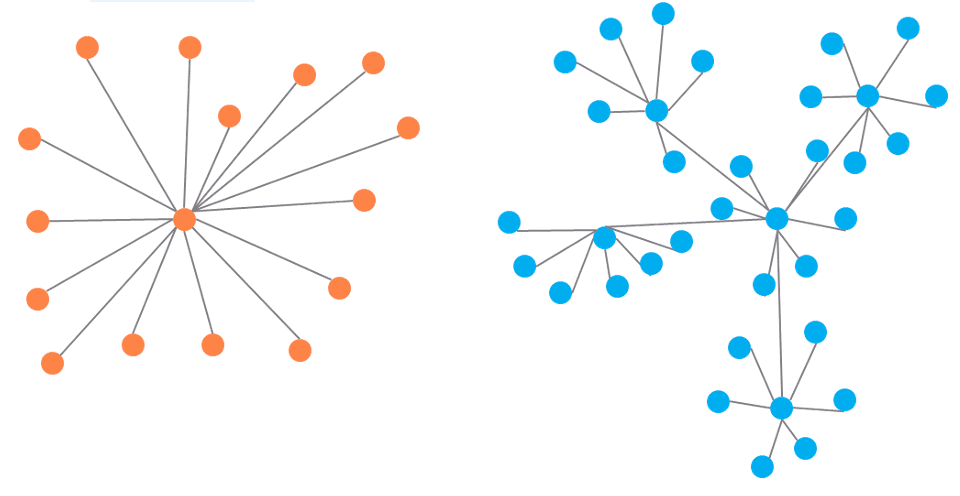
Revisions to production schedules occur throughout the week , and any need for schedule revision should be reviewed at least daily. While the lead time for production scheduling is inherently “fuzzy”, the sooner the upcoming run, the more likely that it will not be cost effective to reschedule it. This is primarily due to constraints in raw materials, labor or complexity of rescheduling batching of other products, so enabling flexibility is key to effectively reacting to unplanned situations.
Flexibility in Operations : Reduce effective lead time for production orders by creating a production schedule that is easy to adjust. You can do this by
Cost and Time Efficiency : Push to reduce the cost and time associated with package changeovers on swing lines.
To effectively reduce pipeline inventory (stock that is in transit between locations), companies should focus on two key strategies: 1) minimizing travel time, and 2) optimizing sourcing locations.
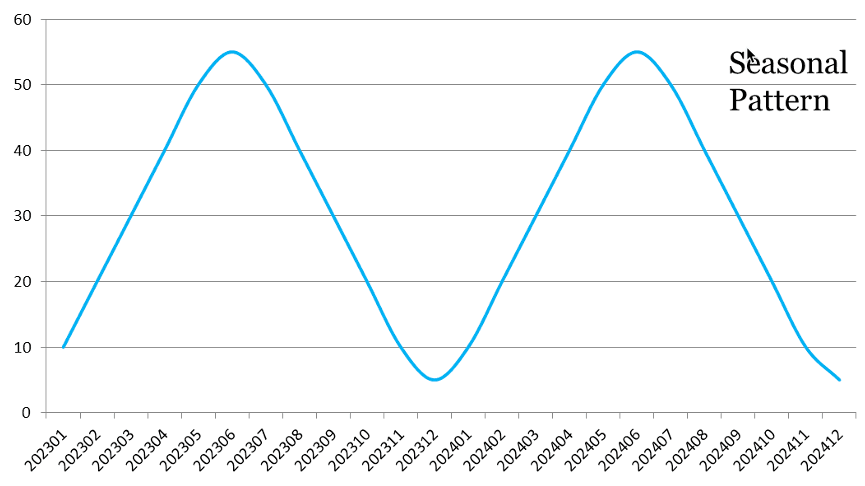
Pre-build inventory refers to stock that is produced well in advance of requirement, often to meet anticipated spikes in demand while mitigating production capacity constraints. While pre-building inventory can ensure that products are readily available, it can also lead to excess stock if not managed carefully. Here are some strategies for avoiding creating unnecessary pre-build inventory:
Simply reducing inventory without improving processes often leads to lower customer service levels across the board. The key to effectively reduce inventory is to enhance both planning and operational processes:
Cycle Inventory
Safety Stock
Pipeline Inventory
Pre-build Inventory
By implementing effective strategies, companies can lower inventory levels in key areas while maintaining or even enhancing service levels. Thoughtful process improvements will help balance operational costs and customer satisfaction.
The next blog in this series, Optimizing Beverage Production Lines: Exploring Sistering and Cousining, will explore two innovative ways to optimize production scheduling for beverages. Please subscribe to our blog to be notified as soon as the next in this series is available to you!

JR has 2 decades of experience in Demand and Supply Planning helping customers achieve desired results.
November 18, 2024
Category: Strategy and Best Practices
When neural networks improve demand forecasts, how to train them on short weekly histories, and why every model should compete against simpler ones before it ships.

A better forecast doesn't touch most of a planner's Monday morning. Agentic AI goes after the work that follows it: replenishment, exception triage, safety stock, promotion response, and supplier follow-up. What agents take on, what stays with the planner, and the questions to ask before you turn one on.

A single temperature excursion can make a whole truckload unsaleable, and cold chain failures often stay invisible until a return or an inspection. The five metrics that form a cold chain measurement program, the targets to hold them to, and the management practices behind them: carrier qualification, FEFO rotation, temperature mapping, and incident response.