At Areté, Inc., we believe that sustainability is not just a buzzword but a responsibility. As industries worldwide face increasing pressure to reduce their environmental footprint, the beverage industry is no exception. From water usage to energy consumption, every aspect of production has an impact on the planet. In this blog, we'll explore key environmental and utility measures that can help the beverage industry (and others) operate more sustainably. These measures not only address environmental concerns but also lead to long-term operational efficiency and cost savings.
1. Water Usage
Water is the primary ingredient in most beverages, but its usage extends far beyond the product itself. From cleaning equipment to cooling processes, water is a critical resource that must be managed responsibly.
Key Measures:
- Water Recycling and Reuse: Implement closed-loop systems to treat and reuse water in non-product applications, such as cleaning or cooling.
- Efficient Cleaning Technologies: Use Clean-in-Place (CIP) systems that optimize water usage during equipment cleaning.
- Leak Detection and Repair: Regularly inspect pipelines and equipment to prevent water loss.

Aim to reduce this ratio over time by implementing water-saving technologies and practices.
2. Wastewater Organic Load: Managing Contaminants
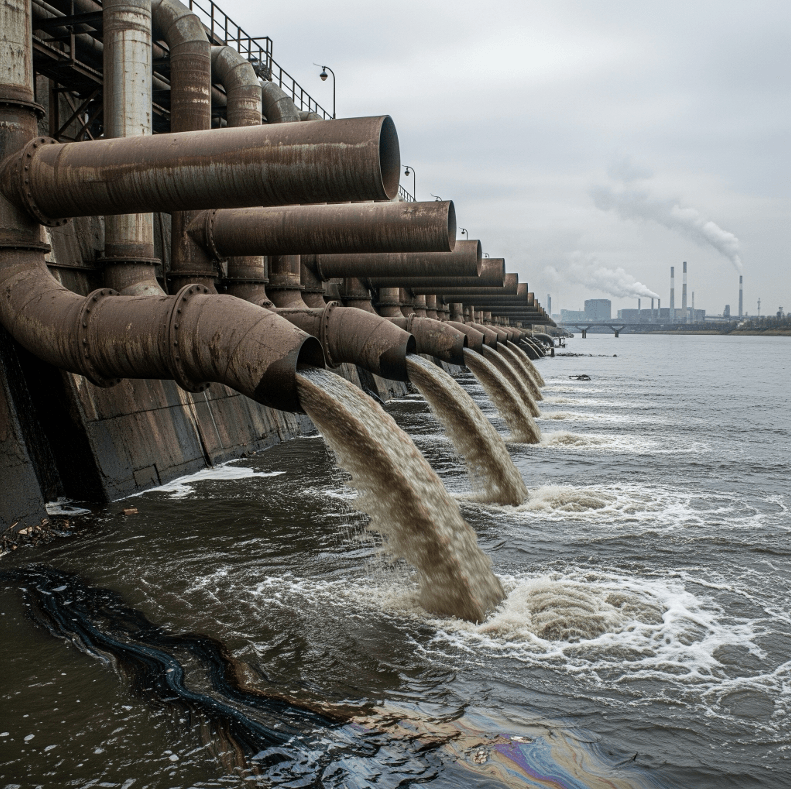
The beverage industry generates wastewater with high organic loads, primarily from sugars, yeast, and other byproducts. If not treated properly, this wastewater can harm ecosystems and incur treatment costs.
Key Measures:
- Pre-Treatment Systems: Install screens, filters, and sedimentation tanks to remove solids before wastewater enters treatment facilities.
- Anaerobic Digestion: Use anaerobic digesters to break down organic matter and produce biogas, which can be used as an energy source.
- Biological Treatment: Employ aerobic treatment systems to further reduce organic load before discharge.

Track and reduce Biological Oxygen Demand (BOD) levels to meet regulatory standards and minimize environmental impact.
3. Solid Waste: Turning Trash into Treasure
Solid waste in the beverage industry includes packaging materials, spent grains, and other byproducts. Proper waste management can turn these materials into valuable resources.
Key Measures:
- Recycling Programs: Partner with recycling facilities to process glass, plastic, and aluminum waste.
- Composting: Convert organic waste like fruit peels and spent grains into compost for agricultural use.
- Waste-to-Energy: Use incineration technologies to convert non-recyclable waste into energy.

Aim for a high diversion rate to minimize landfill contributions.
4. Fuel Oil Usage: Reducing Carbon Emissions
Fuel oil is often used for heating and steam generation in beverage production. However, its combustion releases greenhouse gases, contributing to climate change.
Key Measures:
- Switch to Renewable Fuels: Replace fuel oil with biodiesel or other renewable energy sources.
- Energy-Efficient Boilers: Upgrade to high-efficiency boilers that consume less fuel.
- Heat Recovery Systems: Capture waste heat from processes and reuse it to reduce fuel demand.

Monitor and improve this ratio to reduce both costs and emissions.
5. Electricity Usage: Powering Operations Sustainably
Electricity powers everything from refrigeration to packaging lines. Reducing electricity usage not only cuts costs but also lowers the carbon footprint.
Key Measures:
- Energy-Efficient Equipment: Invest in ENERGY STAR-rated machinery and LED lighting.
- Renewable Energy: Install solar panels or wind turbines to generate on-site renewable energy.
- Demand Response Programs: Participate in utility programs that incentivize reducing energy use during peak periods.

Aim to lower energy intensity through efficiency improvements and renewable energy adoption.
6. Additional Measures: Expanding Sustainability Efforts
Beyond the basics, consider these additional measures to further enhance sustainability:
- Carbon Footprint Tracking: Use tools like Life Cycle Assessment (LCA) to measure and reduce greenhouse gas emissions across the supply chain.
- Sustainable Packaging: Switch to biodegradable or recyclable packaging materials.
- Employee Training: Educate staff on best practices for resource conservation and waste reduction.
Conclusion: Areté's Commitment to Sustainability
At Areté, Inc., we understand that sustainability is a journey, not a destination. By implementing these environmental and utility measures, the beverage industry can significantly reduce its environmental impact while improving operational efficiency. These practices are not limited to beverages—they can be adapted to other industries as well, creating a ripple effect of positive change.
Together, we can build a greener future. Let's raise a glass to sustainability!
Ready to make your operations more sustainable? Contact Areté to learn how we can help you implement environmental and utility measures that drive both sustainability and profitability.